
Between races, the phone can quietly become a second betting session
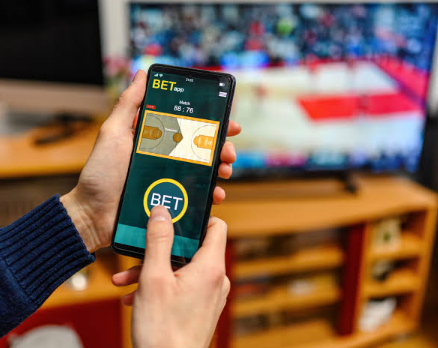
A race day contains more waiting than the few minutes when horses are actually running. There are gaps between races, time spent checking declarations, odds changes, paddock information, results, and the next card. Mobile phones fill those intervals easily. A person can read messages, watch replays, browse news, or open another form of entertainment while waiting for the next race. The problem begins when the downtime becomes a second gambling session with its own rapid decisions. What felt like a break can then add spending that was never part of the original race-day plan. Keeping racing and other money-based games separate makes the whole session easier to track.
A gap between races is still part of the original session
For adults who use desi online instant games between races, the waiting period should not be treated as free money or extra budget. The same entertainment limit still applies even though the activity has changed. A race result does not create a reason to increase spending in another game, and a loss in an instant game should not change the amount planned for the next race. Separating the two balances on paper or in a personal note can make that boundary easier to see.
This matters because the pace is very different. Horse racing naturally creates pauses between events. Instant games can produce results in seconds, so several decisions can happen before the next race begins. The number of actions rises quickly even when the clock says only a short time has passed.
Race information deserves its own screen
A bettor following a racing card may need declarations, going reports, non-runners, starting times, and official results. Mixing those pages with unrelated games makes it easier to lose track of why the phone was opened in the first place. Keeping one racing tab or app as the main reference reduces unnecessary switching. If another activity is opened during the break, it should not replace the official source for race status or results.
Notifications can also create confusion. A race alert, promotional casino message, and payment notification may arrive within the same minute. Muting promotional categories while keeping race and account-security alerts makes the screen easier to read and prevents every vibration from becoming another prompt to spend.
Fast games compress spending into a shorter period
A horse race has a defined start and finish. An instant game can restart almost immediately, which changes how spending feels. Small amounts repeated quickly can add up before the user notices the total. Session history is more reliable than memory, especially after several races and several short games. Adults should decide a fixed amount before the day begins and keep rent, groceries, medicine, transportation, debt payments, and family expenses completely outside it.
It also helps to decide what happens to unused money before the race card is over. A remaining balance does not have to be spent simply because it is still available. Leaving it untouched, withdrawing it where appropriate, or carrying it back into the personal entertainment budget can be a cleaner end to the day than looking for one more result before closing the phone.
Race-day boundaries that keep the phone session readable
- Set the total entertainment amount before the first race.
- Keep racing information separate from other game tabs.
- Check session history instead of estimating spending from memory.
- Mute promotional alerts between races.
- Do not increase another game’s budget after a racing loss.
- Stop when the planned amount or planned time is finished.
A win should not automatically fund the next activity
One of the easiest ways for separate activities to blur together is to treat a win as money that no longer counts. The balance may be higher, but it is still real money. Moving it straight into another game can turn a successful race into a longer session than intended. A clearer approach is to keep the original budget unchanged and decide what happens to any remaining balance only after the day’s planned activity is finished.
The same reasoning works after a loss. Instant games should not become a way to recover money lost on a horse, and a racing wager should not become a way to recover an instant-game result. Switching formats does not remove the financial connection between the decisions.
Downtime is easier to manage when it remains downtime
There is nothing wrong with using a phone between races. The device can show results, replays, news, messages, or other entertainment while the next card approaches. The useful boundary is knowing whether the break is still part of the planned day or has turned into an extra betting session. Keeping separate tabs, checking total spending, and leaving promotional alerts muted can make that difference visible. A race day already provides plenty of decisions. The quiet minutes between events do not need to become another rapid sequence of wagers simply because the phone makes them available.