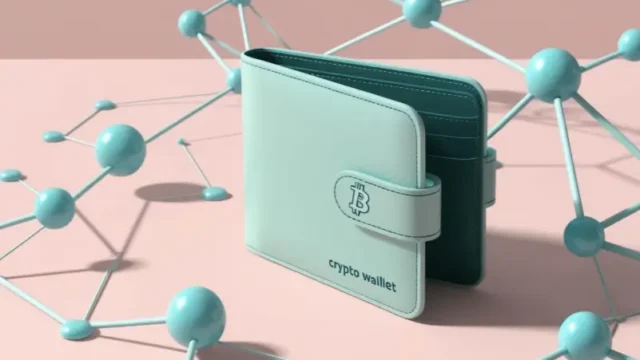
Understanding NFT Marketplaces and Their Functions
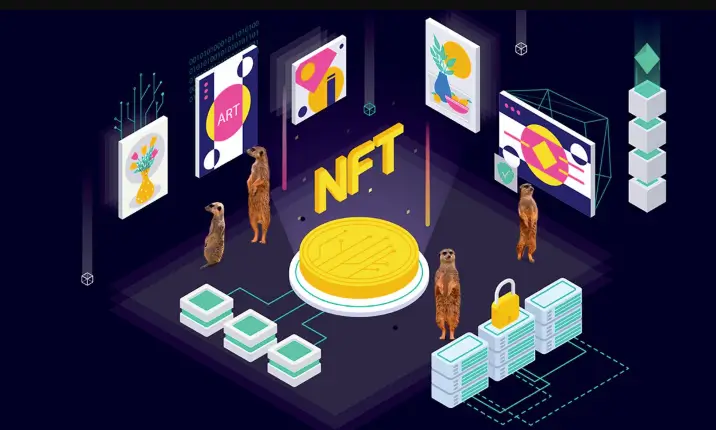
NFT marketplaces connect creators, collectors, and traders to mint, list, discover, and transact assets with clear pricing and provenance. They balance speed and exposure (centralized) against ownership and open protocols (decentralized). Listings, fees, and royalties shape wallet outcomes and asset value. Assess provenance, contract terms, and royalty structures to gauge trust. The strategic choice hinges on risk tolerance and liquidity needs, with each model guiding different user outcomes—a nuance that invites careful comparison.
Understand NFT Marketplaces and How They Work
NFT marketplaces are specialized platforms that connect creators, collectors, and traders to mint, list, discover, and transact non-fungible tokens. They enable transparent pricing, provenance tracking, and rapid settlements, shaping user-centric decision making.
The model supports creative funding and liquidity options, while cross chain compatibility expands reach, reduces fragmentation, and enhances portfolio diversification for freedom-seeking participants. Strategic data insights guide platform selection and risk assessment.
See also: Understanding Multi-Signature Cryptocurrency Wallets
Centralized vs. Decentralized NFT Marketplaces
Centralized and decentralized NFT marketplaces present distinct governance, risk, and user experiences, shaping how creators, collectors, and traders engage with digital assets.
Data shows centralized platforms offer faster settlements, broader exposure, and uniform interfaces, while decentralized options emphasize ownership, censorship resistance, and open protocols.
Tradeoffs exist in fees and royalties, with centralized models often applying standardized structures and decentralized models enabling configurable terms.
How Listings, Fees, and Royalties Affect Your Wallet
Listing structures, fees, and royalties directly shape net proceeds and asset value for participants across NFT markets. The analysis highlights trading fees and royalty mechanics as key cost drivers, influencing wallet balance and asset liquidity. Platform trust and listing latency affect execution confidence, bidder competition, and timing flexibility, guiding strategic participation toward cost-efficient, transparent marketplaces that align with freedom-loving, data-driven users.
Evaluate NFT Listings Safely: Tips for Buyers and Creators
Evaluating listings with care is a practical extension of understanding how fees, royalties, and listing latency impact wallet outcomes, as discussed previously.
The analysis emphasizes listing safety as a core criterion, enabling buyers and creators to verify provenance, contract terms, and verification badges.
It also highlights royalty implications, encouraging transparent terms and ongoing monitoring to sustain value and trust in dynamic markets.
Conclusion
In the evolving skyline of digital art, NFT marketplaces rise like glass towers—transparent gleams of listings, fees etched in light, and royalties tracing constellations across wallets. For creators and buyers, decisions become strategic maps: provenance panels, contract terms, and settlement speeds shaping value. A data-driven mindset reveals risk and opportunity, guiding safe exploration. As ecosystems mature, lucid criteria and thoughtful evaluation transform transactions into sustainable value, turning curiosity into verifiable, lasting ownership.