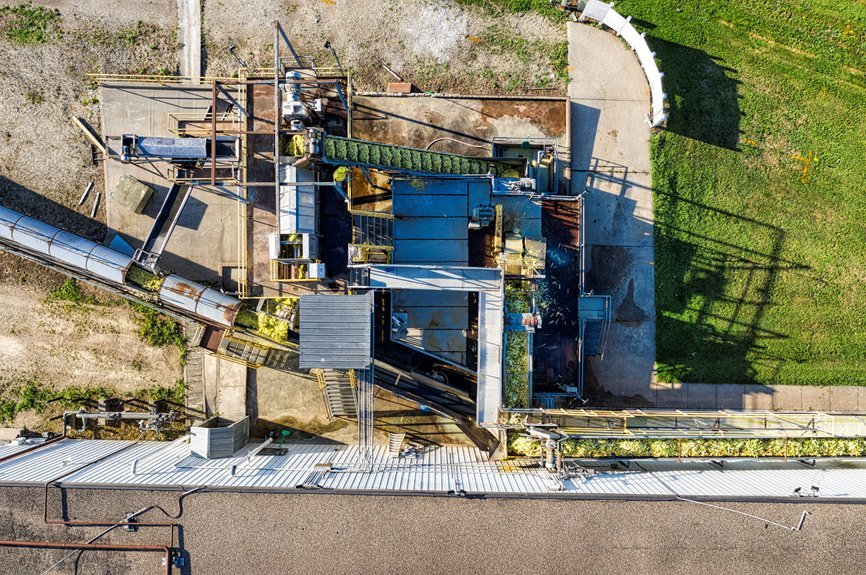
The discussion introduces how 2602531212 operates as a modular, input-to-output workflow. Data is captured, normalized, and then subjected to feature extraction before processing logic yields results. Each step maintains clear interfaces and independence, supporting scalable deployment. Real-world uses, such as automated diagnostics and process optimization, illustrate reliability and safety considerations. The note closes by highlighting measurable impact, disciplined adoption, and the need to document assumptions and data lineage to guide subsequent investigations.
How 2602531212 Works: A Practical Overview
To understand how 2602531212 functions, one can begin by identifying its core components and their interactions. The overview presents a structured map of relationships, emphasizing idea 1: abstract concepts and idea 2: speculative theories as framing devices. It remains concise, detached, and practical, guiding interpretation without presupposing conclusions, while inviting inquiry and independent evaluation within freedom-minded perspectives.
The System’s Core Steps, From Input to Output
The system proceeds from input to output by a sequence of clearly defined steps: data capture and normalization, feature extraction, processing logic application, and result generation. It emphasizes idea one and idea two as guiding concepts, ensuring modular clarity. Each stage operates independently yet cohesively, yielding interpretable outcomes. The architecture supports freedom-minded exploration while maintaining disciplined, verifiable processing and reproducible results.
Real-World Applications and Practical Examples
Real-world deployments illustrate how 2602531212 translates core reasoning into tangible outcomes, from automated diagnostics in healthcare to process optimization in manufacturing. In practice, teams assess reliability, scalability, and safety, mapping insights to actionable workflows.
Idea1: unrelated topic. Idea2: extraneous concept. The focus remains on practical value, measurable impact, and disciplined adoption without superfluous discussion or speculative extrapolation.
Common Pitfalls and How to Troubleshoot Them
Common pitfalls in deploying 2602531212 often stem from misaligned goals, insufficient data quality, and underestimating integration complexity. Troubleshooting requires a disciplined approach: document clarifying assumptions, verify data lineage, and confirm interfaces. Anticipate performance constraints and governance impacts. Ethical considerations guide decision-making, while freedom-seeking teams streamline iteration and learning. Clear checkpoints, objective criteria, and iterative testing prevent scope drift and misinterpretations.
Frequently Asked Questions
What Is the Origin of 2602531212’s Name?
The origin of 2602531212’s name is unclear; historians note symbolic or algorithmic influences without consensus. origin origin, naming naming considerations suggest deliberate ambiguity. The nomenclature reflects intent to provoke inquiry, rather than a fixed origin narrative.
How Much Does It Cost to Implement?
The estimated cost to implement is modest relative to potential gains; a precise figure varies by scope. This reflects a favorable cost-benefit profile, highlighting cost benefit and return on investment as core evaluative criteria for decision makers.
What Are the Licensing or Access Constraints?
Licensing constraints and access restrictions govern use, with pricing considerations guiding decisions. Implementation costs arise alongside mobile performance and device compatibility impacts. Ethical implications and responsible use shape policy, ensuring compliant adoption and transparent, freedom-respecting utilization.
Can It Run on Mobile Devices Reliably?
Launches into suspenseful silence: the answer regards mobile performance and platform compatibility, noting licensing constraints, ethical considerations, and cost analysis. It details origin of name, implementation steps, while assessing feasibility for mobile devices, with freedom-minded precision.
What Are the Ethical Considerations of Its Use?
The ethics of deployment center on balancing benefits and risks, with attention to transparency and accountability. It addresses human impact concerns, safeguards consent, and mitigates harm, ensuring responsible use while preserving user autonomy and freedom.
Conclusion
The system unfolds like a precise machine: raw data enters, a quiet wash of normalization smooths rough edges, and feature extraction folds meaning into clarity. Each step stands as a clear compartment, with interfaces that keep flow steady and auditable. Processing logic then crystallizes insight, much as daylight renders a landscape legible. In real-world use, reliability and safety hinge on disciplined documentation and traceable lineage. The result is an interpretable, scalable pathway from input to meaningful output.