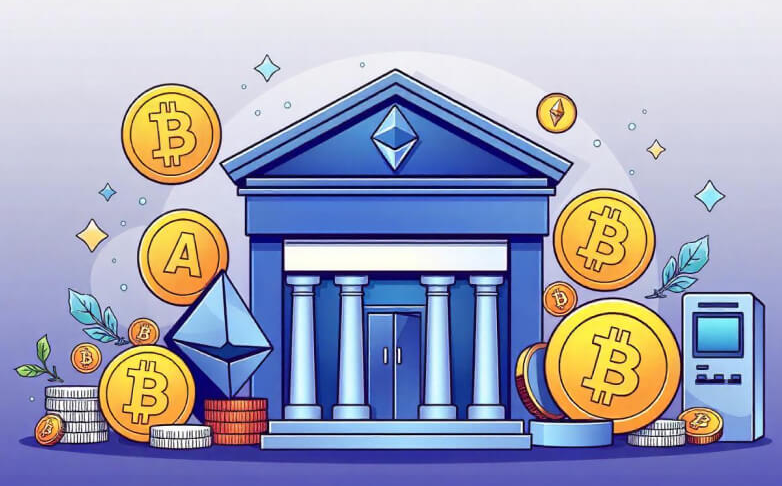
The convergence of cryptocurrency and the metaverse signifies a pivotal shift in digital economies. Cryptocurrency provides a decentralized framework for ownership and transactions, while the metaverse offers immersive virtual environments for social and economic interaction. This relationship enhances user autonomy and privacy. However, as these technologies evolve, questions arise about their implications for value exchange and community dynamics. Understanding this intersection is crucial for grasping future economic paradigms. What challenges and opportunities lie ahead?
Understanding Cryptocurrency: The Basics
Although cryptocurrency has gained significant attention in recent years, its underlying principles remain complex for many. Understanding cryptocurrency fundamentals entails recognizing decentralized networks, cryptographic security, and the role of consensus mechanisms.
Digital wallets serve as essential tools for storing and managing these digital assets, allowing users to transact freely without intermediaries. This paradigm shift in finance empowers individuals, fostering greater autonomy and privacy in economic interactions.
See also: gapturf
Exploring the Metaverse: A New Digital Frontier
As technology advances, the metaverse emerges as a transformative digital landscape that integrates virtual reality (VR), augmented reality (AR), and blockchain technology, thereby creating immersive environments where users can interact, create, and transact.
These augmented landscapes foster vibrant digital communities, enhancing online interactions through user-generated content and enabling rich gaming environments, while social platforms evolve to accommodate diverse immersive experiences within this new frontier.
The Intersection of Crypto and the Metaverse
The convergence of cryptocurrency and the metaverse represents a pivotal moment in digital innovation, where decentralized finance (DeFi) enables seamless transactions within virtual environments.
Blockchain technology underpins this integration, facilitating secure ownership and transfer of virtual assets.
As users engage in immersive experiences, the interplay between crypto and the metaverse fosters an economy driven by autonomy, creativity, and a fundamentally new paradigm of value exchange.
The Future of Digital Economy and Interaction
While advancements in technology continue to reshape societal interactions, the future of the digital economy appears increasingly intertwined with innovations in blockchain and immersive virtual environments.
Virtual commerce is set to flourish, enabling seamless transactions within these spaces.
Furthermore, the concept of digital ownership will redefine asset management, empowering users with greater control and autonomy over their virtual possessions, thus fostering a more liberated economic ecosystem.
Conclusion
In conclusion, as society gallivants into the boundless realms of crypto and the metaverse, one must ponder whether the newfound autonomy is a gilded cage or a true liberation. With digital assets flourishing like weeds in a neglected garden, the promise of a vibrant economic ecosystem teeters precariously between innovation and absurdity. As users bask in their virtual riches, the question remains: are they pioneers of a digital utopia or unwitting participants in a grander charade of value creation?